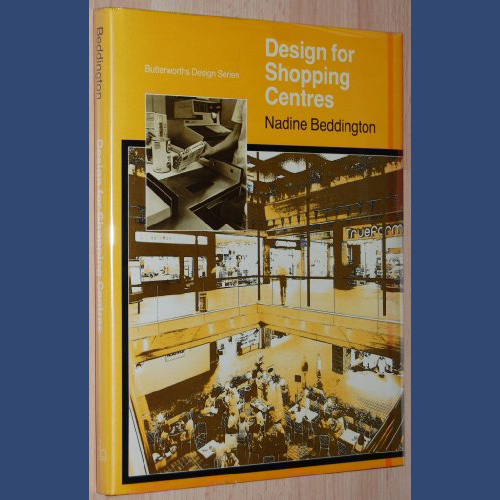
“She seems a fairly formidable person,” squeaked Times journalist Robin Mead after asking Nadine Beddington (1911-1990) about gendered kitchen design in an interview published 31 August 1971. “Forget about kitchens,” she snapped. “Everyone thinks women work only in kitchens. Women work in offices and factories; they work everywhere that work is being done, except heavy industry and monasteries.”
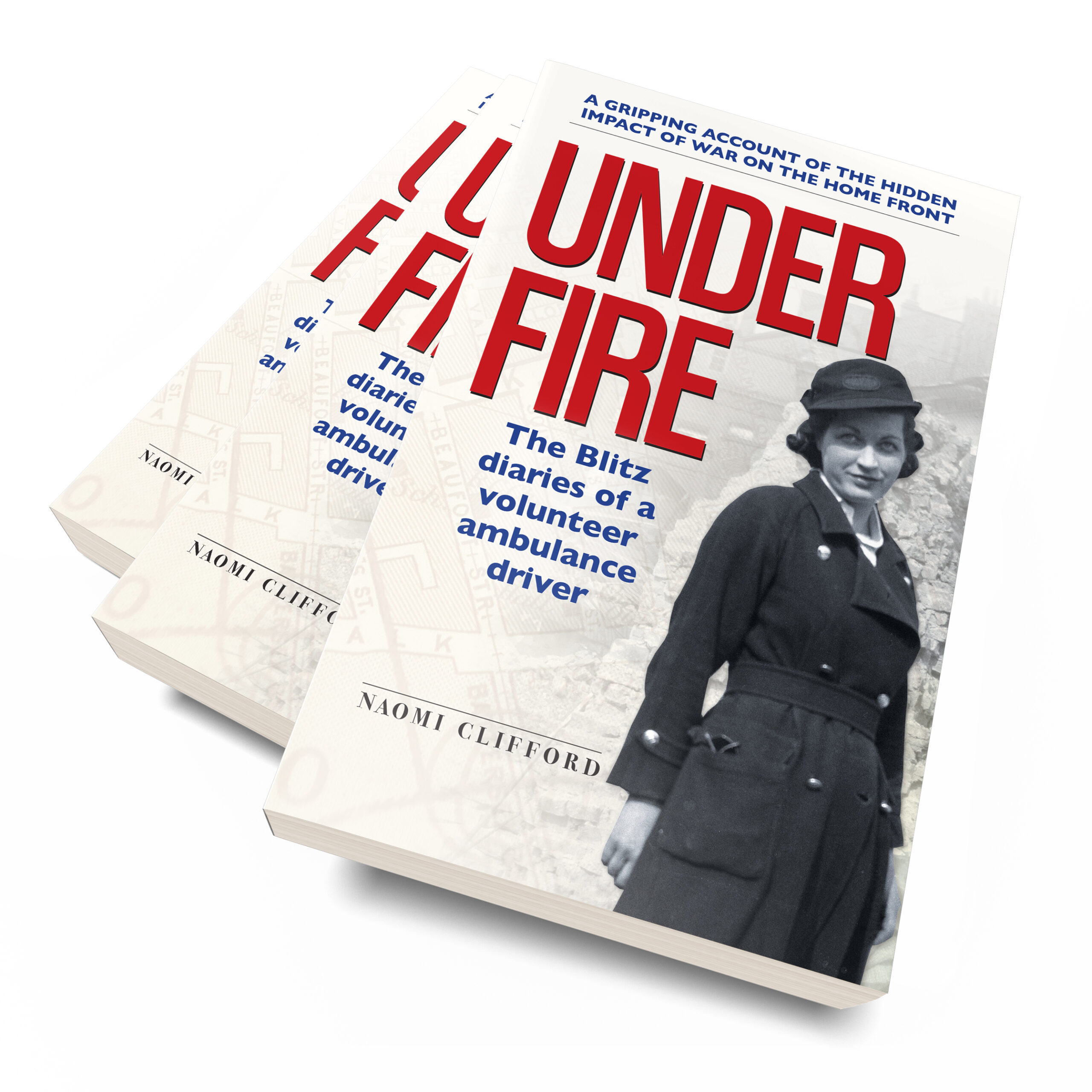
Her service in the London volunteer ambulance service in the Blitz in Chelsea would have shown her women can do anything men can do, sometimes better. As an architect, Nadine was trying to increase the pitifully low numbers of young women entering the profession. She was herself a pioneer – she was a qualified RIBA in 1939 – but it is worth notice that I found three women ambulance volunteers in Chelsea in 1939 who were either architects or architects assistants, which says much about the demographic there.
Nadine Dagmar Antoinette Sarah Beddington was the only child of Jewish career soldier Frank Maurice B’s 2nd marriage and Mathile Emile Koehle, a German native and non-Jew. Frank’s father changed the family name from Moses some time in the 19th century. His mother’s side were Sephardic Jews who settled in Jamaica. Nadine’s great-grandfather was John Simon (b. 1818), Liberal MP for Dewsbury and one of the first Jews to serve in the Commons. His father, Isaac Levi Simon, was a landowner and merchant in Jamaica, who is reputed to have been the first slaveholder there to release enslaved people, in 1832, a year before the Abolition of Slavery Act.
To me, Nadine is a perfect illustration of the change running through British society in the mid-20th century: proper education for girls (albeit usually only available to the middle/professional classes) and the increased mixing of people of differing backgrounds.

I met Nadine once as a member of the Camberwell Society, She was a pleasure to talk to and very well informed.