A series of short biographies of women and men who served as ambulance drivers and assistants in Chelsea, London, during the Second World War.
“I cannot overstate the debt I owe to her fine intelligence, her unwavering loyalty, her magnificent detachment. Everything about her is big. Big physically, big mentally and big hearted…” So wrote the American novelist Mary Borden (aka Lady Spears) about her friend and colleague Dorea Stanhope (aka Dorothea Scudamore Stanhope, the niece of the Earl of Chesterfield).
Borden ran the Hadfield-Spears Ambulance Unit, an Anglo-French volunteer medical unit which served with the 4th French army in eastern France from Feb 1940 until it was forced to retreat on 9 June ahead of the German advance. Dorea was one of her 15 ambulance drivers.
As the Germans closed in, the women made a hair-raising escape through France but managed to get to Bordeaux. Here they were met by Ian Fleming, then a Naval Lieutenant, who arranged their passage home. In England the unit regrouped and the following year headed out to the Middle East. In her memoirs Borden does not explain why Dorea could not accompany them, only that she took on the “ungrateful task” of running the London office.
Before the war started, Dorea volunteered for the London Auxiliary Ambulance Service and was assigned to AS22 in Danvers Street, Chelsea but she had left by the time my diarist June S started work there. I imagine the service was very sad to see her go.
I wonder how much June and Dorea would have had in common. I suspect little. Like many of her friends, June (born 1916) was a debutante, and an enthusiastic one – she loved socialising. Dorea (born 1903) had been one too, but hated it. Writing in Time & Tide, the left-wing, feminist literary magazine where she was general manager, she trashed the system of Coming Out as a “London Show-Ring” designed to keep women from meaningful work.
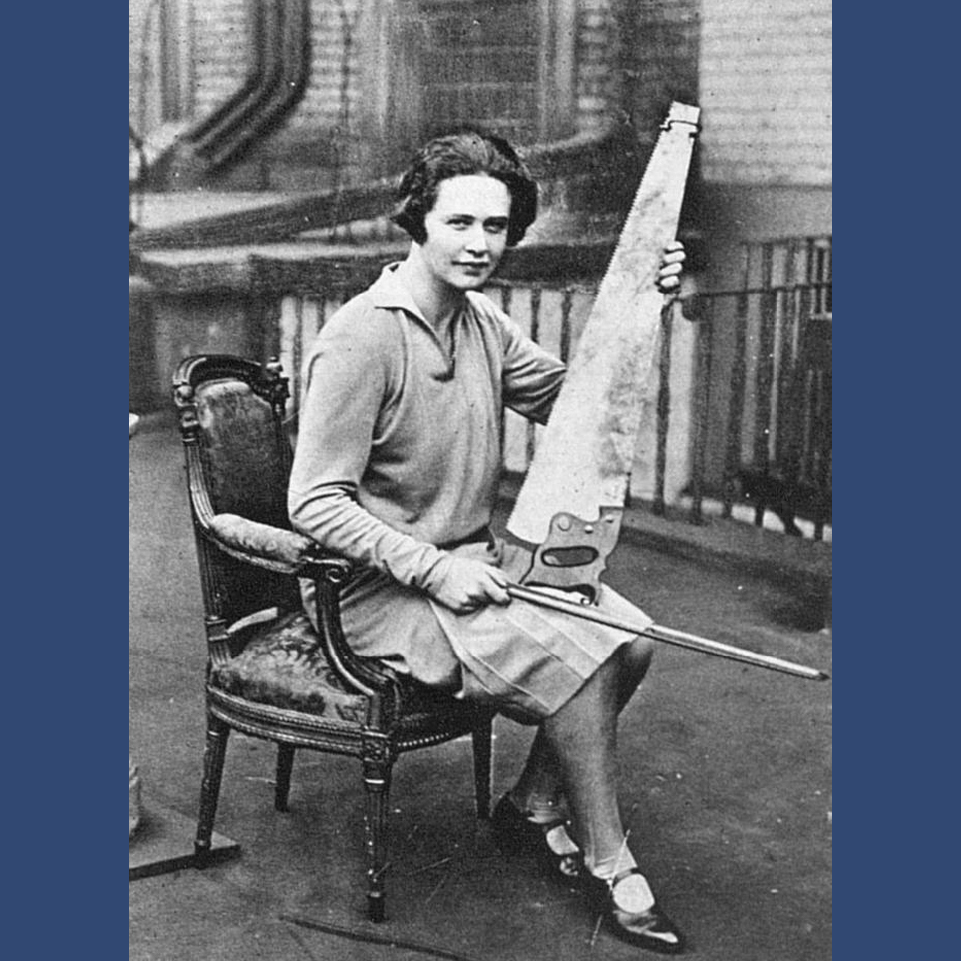
The picture is Dorea in 1929, before she acquired specs and a bookish look, in The Sketch, 27 Mar 1929, with her instrument of choice – a saw. She performed with the Onslow Orpheans, “a group of young people who play dance music for charitable functions.”
I can’t find anything much about Dorea after the war. She died in 1968 and is buried in Holme Lacy, Herefordshire.
– One more thing to know: she qualified as a pilot in 1936.
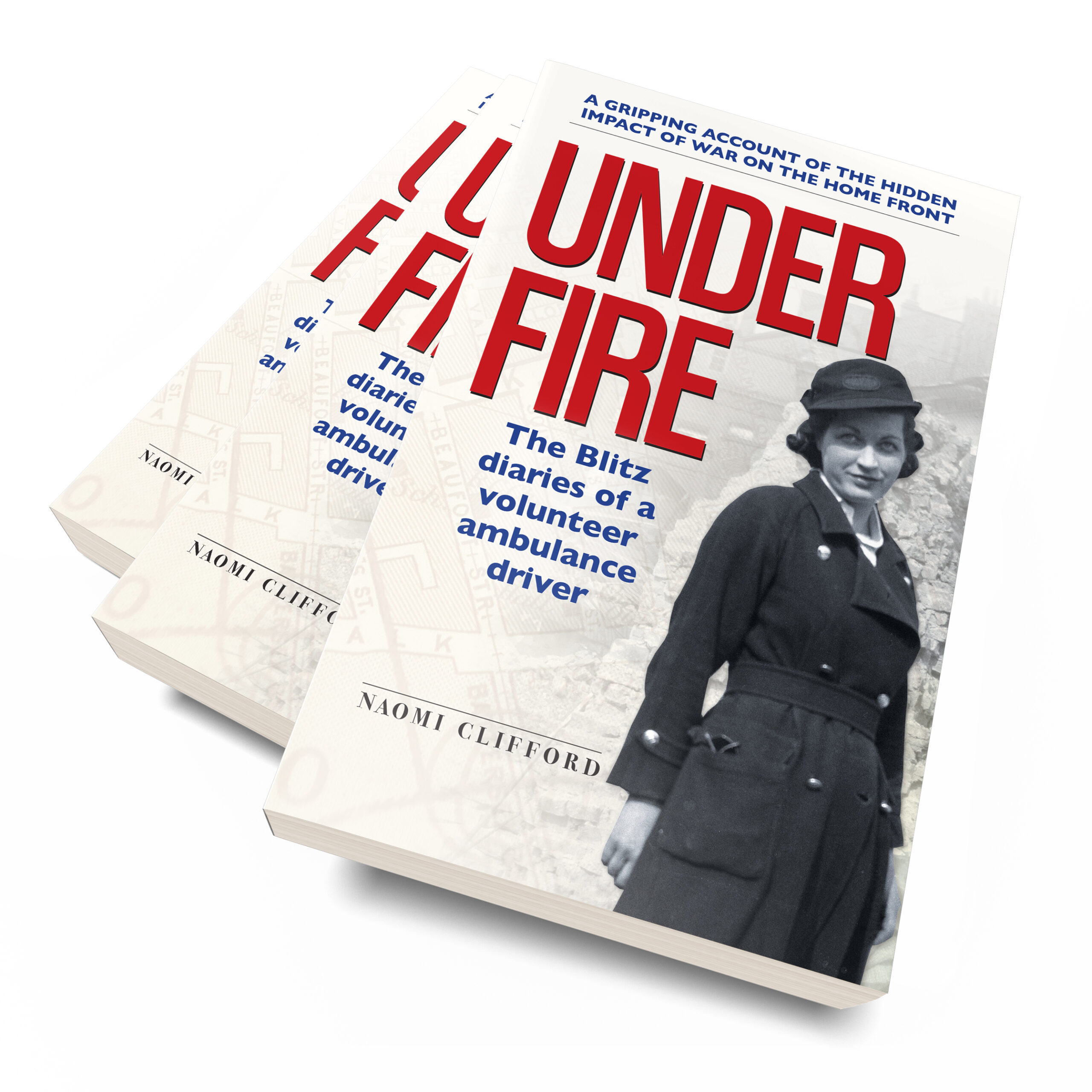
Under Fire: The Blitz Diaries of a Volunteer Ambulance Driver




Leave a Reply