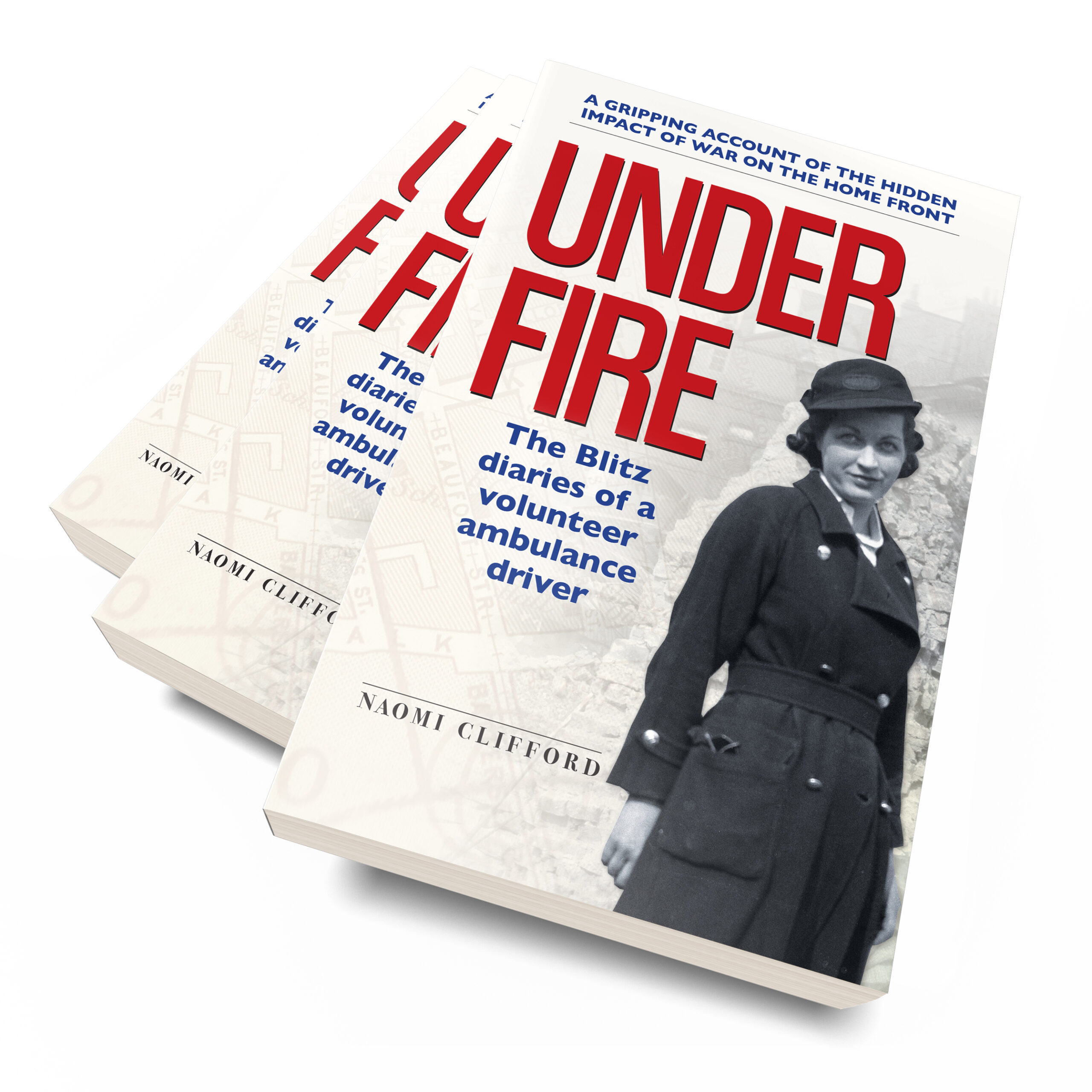
A series of short biographies of women and men who served as ambulance drivers and assistants in Chelsea, London, during the Second World War.
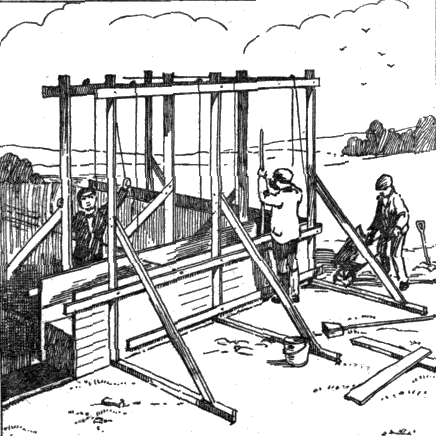
From ‘Cottage Building in Cob, Pisé, Chalk and Clay: a Renaissance’ (2nd edition) by Clough Williams-Ellis (1920).
Chalk pisé: a type of adobe; chalk mixed with water, set in a mortar of chalk and sand and forced between boards, which are removed as it hardens. The illustration, from a 1919 book by Clough Williams-Ellis, shows how the blocks were made.
Jessica Mary Albery (1908-1990), who was among the first of her generation of women to qualify as an architect, used pisé in 1932 to construct workers’ cottages for Hugh’s Settlement, a social experiment near Andover, Hants, whose aim was to build a community of “industrious and contented people”.
The Register, a census conducted in England & Wales at the beginning of Oct 1939, lists Jessica as a chartered architect and volunteer ambulance driver for the London Auxiliary Ambulance Service, living at Thurloe Court, Fulham Road with her sister-in-law Mary Isaac (1909-1993), a junior retail executive and ambulance attendant. (Aside: Mary’s brother John, a Pilot Officer in the RAF’s 600 Sqdn became one of the 1st casualties of war when his Bristol Blenheim crashed in Hendon, N. London, a mere 110mins after war with Germany was declared.)
I think Mary’s children were probably evacuated to Dartford, Kent to stay w/ her husband’s parents Irving (Cons MP for Gravesend) and Jill Albery at their beautiful 18thC manor house. Mary must have had a heart-stopping moment when she learned the building had been badly damaged by a bomb on 20 Apr 1941. Fortunately, the family was away and there were no casualties.
After the ‘first Blitz’ ended in May 1941 the crews grew bored and restless but the danger remained, from unexploded bombs and sporadic air raids. We don’t know for how long Jessica and Mary worked as volunteers for the LAAS. From mid 1942 no one was allowed to leave on any grounds apart from sickness or discipline (my diarist June S. was one of the few who managed to wangle an exit).
Jessica probably left in or before 1944. In April of that year she was working on Max Lock’s Middlesbrough Survey, an astonishingly forward-thinking planning project to address health outcomes through housing policy developed in part by talking directly to the people affected. It embodied the hope for a new way of living after the trauma of war.




Leave a Reply